
About the Program
This professional development course is designed for teachers who are currently teaching or planning to teach the Cambridge English B1 Preliminary (PET) exam. The course aims to help teachers gain an in-depth understanding of the exam’s objectives, structure, and assessment criteria, and to master effective teaching methods and classroom activity design. A unique feature is the integration of Lesson Planning into the training, helping teachers closely combine theory and practice to create ready-to-use teaching plans for the classroom.
| Target Level | CEFR B1 (PET) |
| Mode of Delivery | Online via Microsoft Teams |
| Duration | 10 hours (2 hours per day, Monday–Friday) |
| Time | 1:00 PM – 3:00 PM (China Time) |
| Note | Taught in English, with bilingual teaching assistant support. |
Upon completion, teachers will be able to:
- Comprehensively understand the task types and skills assessed in all four parts of the PET exam (Reading, Writing, Listening, Speaking).
- Master how to integrate exam skill training into daily teaching.
- Learn and practice lesson planning design techniques to enhance the systematic nature and effectiveness of teaching.
- Improve their understanding and application of the official Cambridge assessment criteria, thereby effectively guiding students to achieve the target level.
- This course focuses not only on theoretical knowledge but also emphasizes practical skills and case studies, helping teachers apply what they have learned in real classroom settings.
Teachers who already have some familiarity with the Cambridge KET exam, or have previously prepared students for KET, and wish to become qualified PET course instructors, helping students pass the Cambridge PET exam and lay a solid foundation for higher-level exams.
About the Program
This professional development course is designed for teachers who are currently teaching or planning to teach the Cambridge English B1 Preliminary (PET) exam. The course aims to help teachers gain an in-depth understanding of the exam’s objectives, structure, and assessment criteria, and to master effective teaching methods and classroom activity design. A unique feature is the integration of Lesson Planning into the training, helping teachers closely combine theory and practice to create ready-to-use teaching plans for the classroom.
| Target Level | CEFR B1 (PET) |
| Mode of Delivery | Online via Microsoft Teams |
| Duration | 10 hours (2 hours per day, Monday–Friday) |
| Time | 1:00 PM – 3:00 PM (China Time) |
| Note | Taught in English, with bilingual teaching assistant support |
Upon completion, teachers will be able to:
-
- Comprehensively understand the task types and skills assessed in all four parts of the PET exam (Reading, Writing, Listening, Speaking).
- Master how to integrate exam skill training into daily teaching.
- Learn and practice lesson planning design techniques to enhance the systematic nature and effectiveness of teaching.
- Improve their understanding and application of the official Cambridge assessment criteria, thereby effectively guiding students to achieve the target level.
This course focuses not only on theoretical knowledge but also emphasizes practical skills and case studies, helping teachers apply what they have learned in real classroom settings.
Teachers who already have some familiarity with the Cambridge KET exam, or have previously prepared students for KET, and wish to become qualified PET course instructors, helping students pass the Cambridge PET exam and lay a solid foundation for higher-level exams.
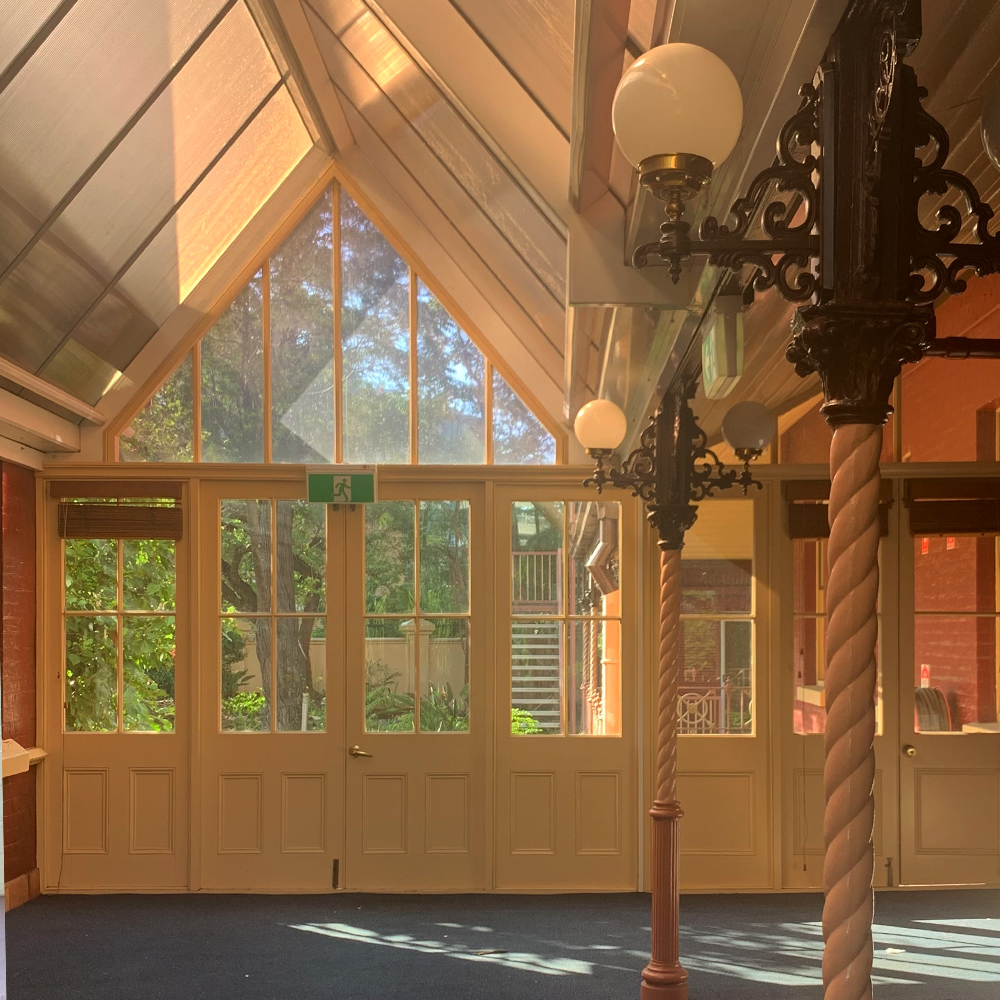
About Shafston College
Shafston College (RTO: 45694, CRICOS: 03917H), established in 1996, is one of the largest private colleges in Australia. Over the past 29 years, the College has continued to grow and now operates three campuses in Brisbane, the Gold Coast, and Sydney. It has proudly educated more than 140,000 graduates from over 100 countries. Renowned for its excellence in education and innovation, Shafston has received numerous Australian and international awards. In 2024, the College was honoured as a finalist for both the Queensland Export Awards (Education category) and the Australia-Hong Kong Business Chamber Export Awards.

As a leading language school, Shafston International College has consistently been recognised by Japan’s Ryugaku Journal as the only Australian institution ranked among the world’s top ten schools. Its adult English language programs are highly regarded in international markets and officially accredited as a Cambridge Exam Centre in Queensland, providing professional exam services to students. In addition, Shafston’s High School Preparation Program has become a flagship course. The College partners with Education Queensland International (EQI) and numerous private and public schools, offering pathway programs that help international students transition smoothly into local schools.

Each year, Shafston hosts over 5,000 short-term students, making it one of Australia’s largest study tour providers. The College has established sister school relationships with hundreds of overseas primary and secondary schools and collaborates closely with universities, schools, research institutes, tourist attractions, and government agencies to deliver unique Australian cultural experiences. Supported by a comprehensive welfare management system for under-18 students and one of Australia’s largest homestay networks, Shafston offers students full support with accommodation, meals, and transport.
Shafston also delivers university foundation and pathway programs to both domestic and international students, offering career-focused courses in education, business management, health, hospitality, and information technology, helping students prepare for their future careers.

Committed to providing high-quality education tailored to the needs of both Australian and international students, Shafston College continues to grow at scale. The College boasts strong teaching capabilities, curriculum development expertise, and compliance management, ensuring sustainable growth through an extensive network of international partnerships and global student recruitment. By adopting a diversified strategy, Shafston attracts students from around the world, offering a wide range of programs to meet their individual needs.
Shafston remains dedicated to international exchange and collaboration, continually launching high-quality partnership programs. We warmly welcome overseas partners to explore more opportunities for long-term cooperation with us.
About Shafston College
Shafston College (RTO: 45694, CRICOS: 03917H), established in 1996, is one of the largest private colleges in Australia. Over the past 29 years, the College has continued to grow and now operates three campuses in Brisbane, the Gold Coast, and Sydney. It has proudly educated more than 140,000 graduates from over 100 countries. Renowned for its excellence in education and innovation, Shafston has received numerous Australian and international awards. In 2024, the College was honoured as a finalist for both the Queensland Export Awards (Education category) and the Australia-Hong Kong Business Chamber Export Awards.
As a leading language school, Shafston International College has consistently been recognised by Japan’s Ryugaku Journal as the only Australian institution ranked among the world’s top ten schools. Its adult English language programs are highly regarded in international markets and officially accredited as a Cambridge Exam Centre in Queensland, providing professional exam services to students. In addition, Shafston’s High School Preparation Program has become a flagship course. The College partners with Education Queensland International (EQI) and numerous private and public schools, offering pathway programs that help international students transition smoothly into local schools.
Each year, Shafston hosts over 5,000 short-term students, making it one of Australia’s largest study tour providers. The College has established sister school relationships with hundreds of overseas primary and secondary schools and collaborates closely with universities, schools, research institutes, tourist attractions, and government agencies to deliver unique Australian cultural experiences. Supported by a comprehensive welfare management system for under-18 students and one of Australia’s largest homestay networks, Shafston offers students full support with accommodation, meals, and transport.
Shafston also delivers university foundation and pathway programs to both domestic and international students, offering career-focused courses in education, business management, health, hospitality, and information technology, helping students prepare for their future careers.
Committed to providing high-quality education tailored to the needs of both Australian and international students, Shafston College continues to grow at scale. The College boasts strong teaching capabilities, curriculum development expertise, and compliance management, ensuring sustainable growth through an extensive network of international partnerships and global student recruitment. By adopting a diversified strategy, Shafston attracts students from around the world, offering a wide range of programs to meet their individual needs.
Shafston remains dedicated to international exchange and collaboration, continually launching high-quality partnership programs. We warmly welcome overseas partners to explore more opportunities for long-term cooperation with us.
Our Trainers
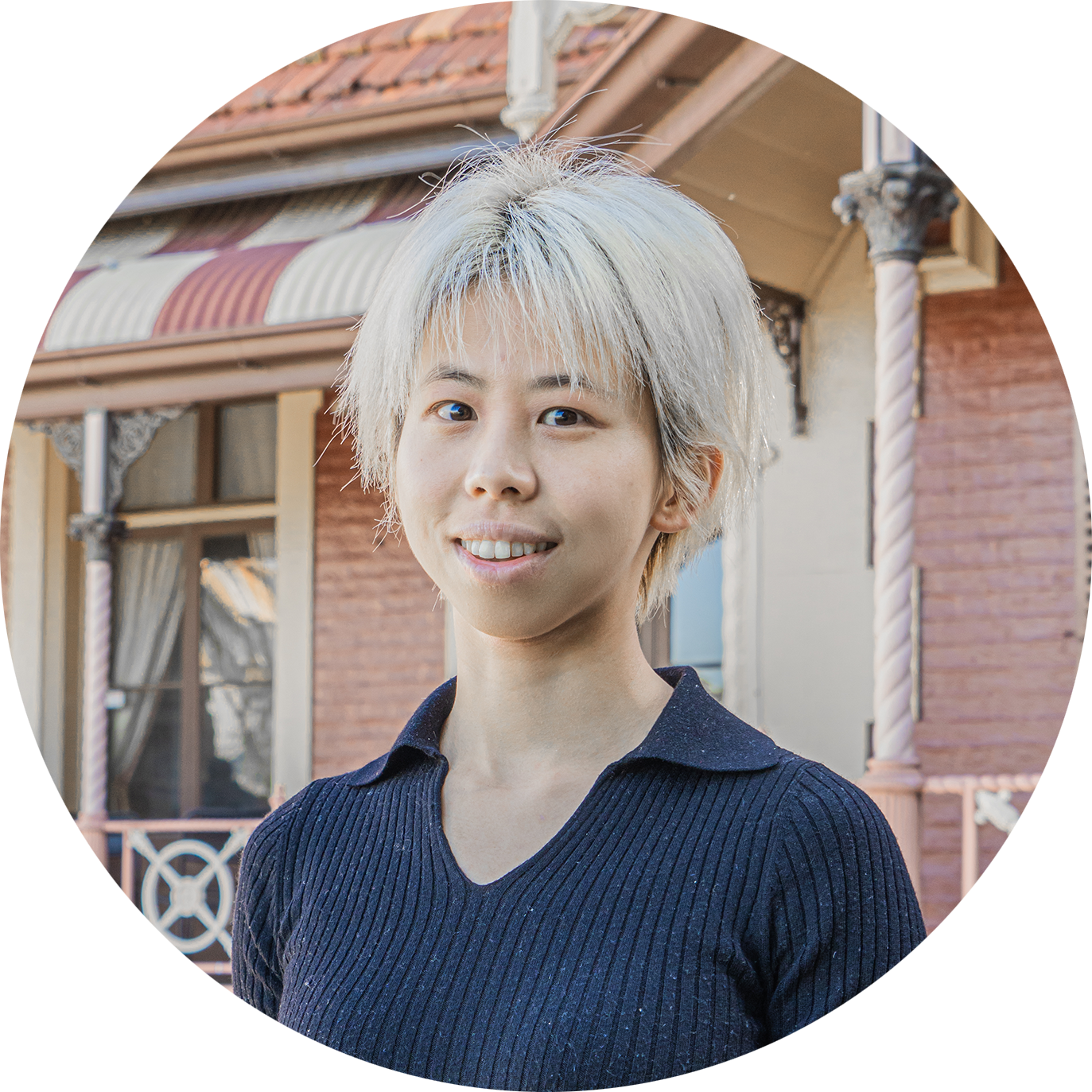
I hold a Master’s degree in Applied Linguistics (TESOL) from The University of Queensland and have extensive experience teaching English to learners ranging from primary school students to adults. My intercultural background gives me a unique perspective, enabling me to teach in both public schools and private institutions in China and Australia.
I specialise in delivering engaging and interactive General English and Academic English courses, carefully tailoring lessons to meet the needs of each learner. Whether you are a beginner or looking to advance your higher-level English skills, I am committed to supporting you every step of the way in your English learning journey!
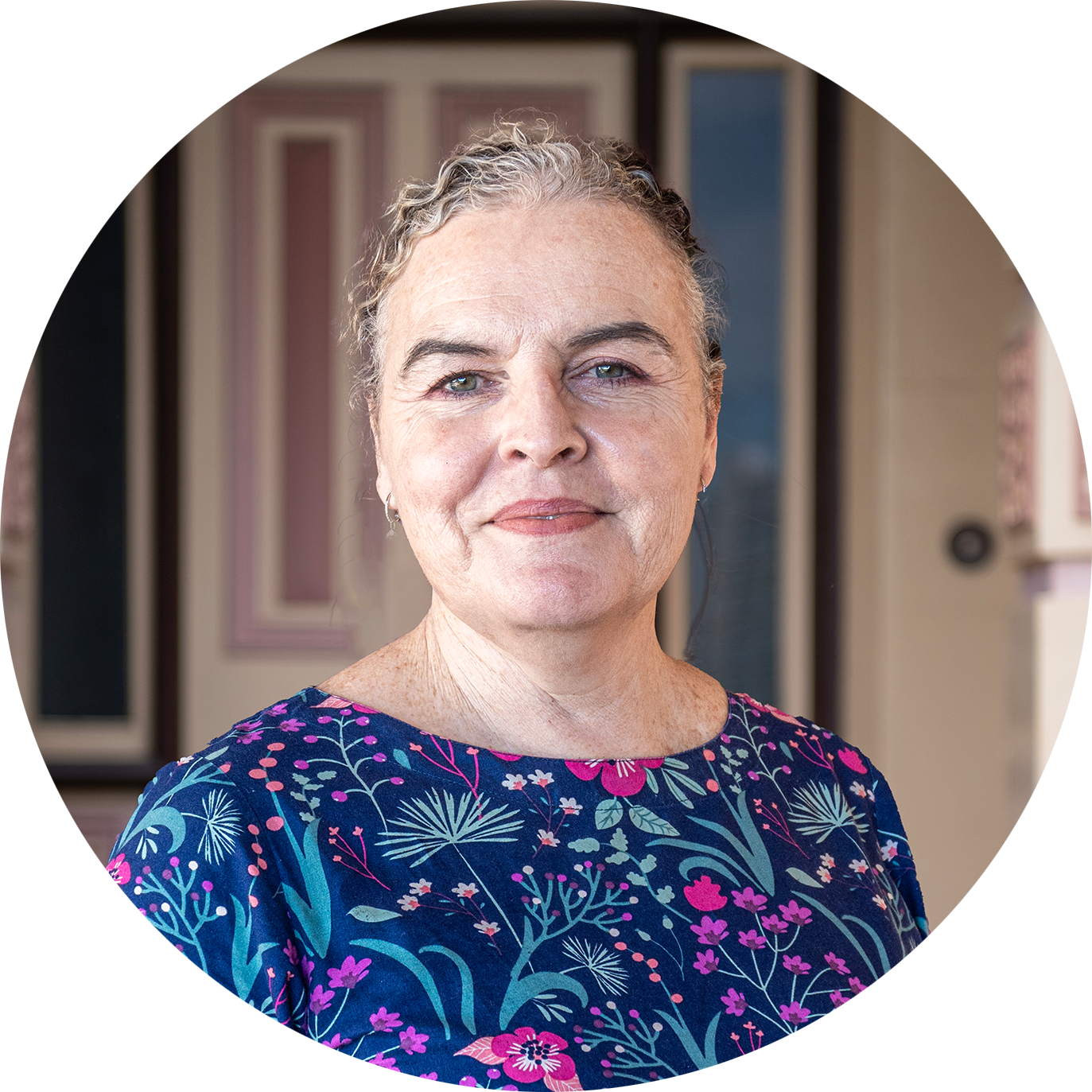
Hi ! I’m Michelle and I love languages and teaching. I hold a BA in English and Russian from the University of Queensland, and I’ve studied French at school and University, and Vietnamese at the Australian National University. ( Sadly my Vietnamese is a bit rusty!) I’ve also had the opportunity to study in Russia, which deepened my love for languages and cultures.
Currently, I’m pursuing post-graduate studies in Writing and TESOL, and I’ve been working as an ESL teacher since 2017. Teaching is truly my dream job, as I enjoy helping students learn and connect through language.

Hello! I’m Kate. I first studied Communication, Media and Culture at university, then Education at another university, before following my passion for English and becoming a language teacher.
Now, I’ve been teaching English to students of all levels for over a decade, both in Australia and overseas. I love writing, learning about other cultures, and hiking with my dog. I can speak a little Japanese, and am working hard to become more fluent.
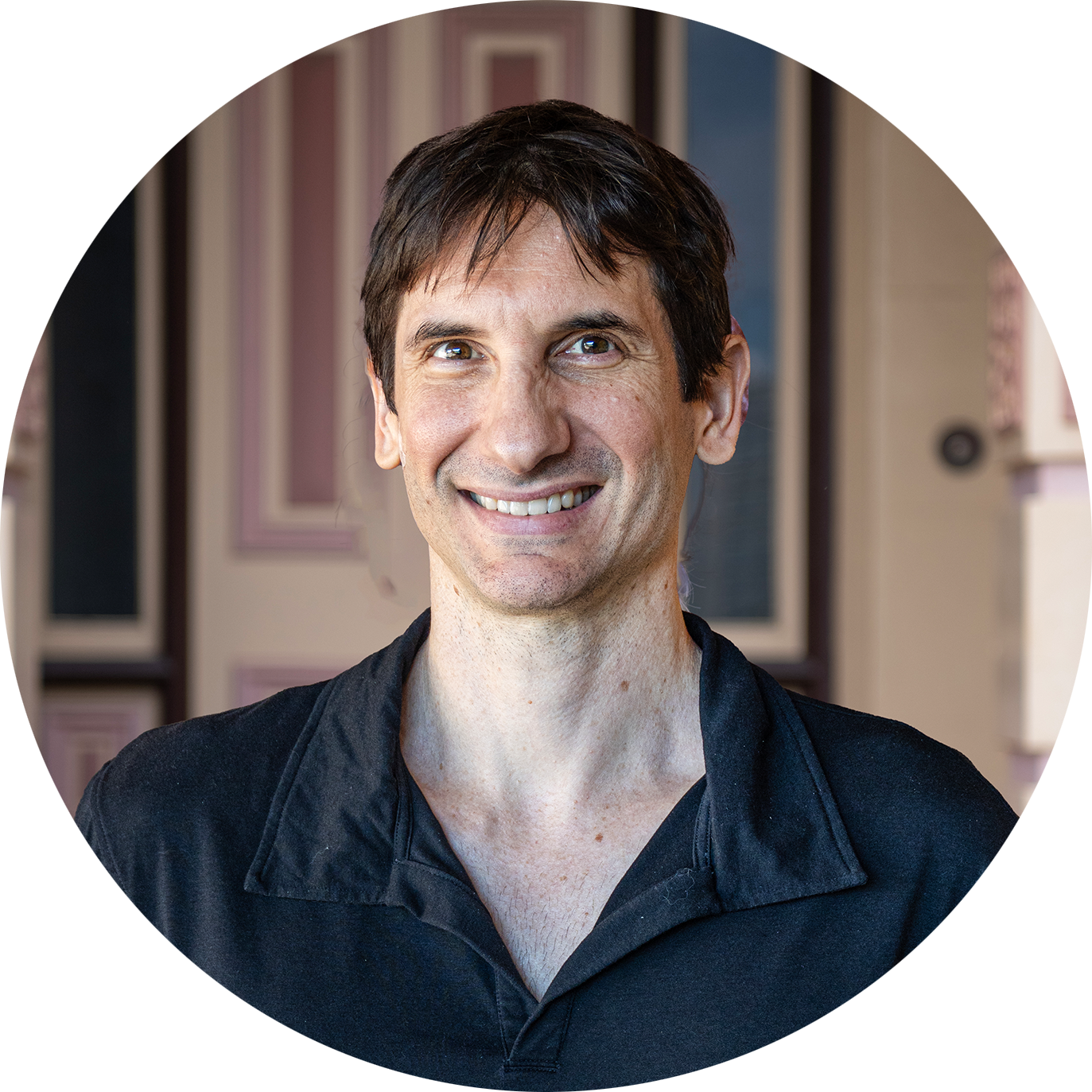
I am Joseph and it’s a pleasure to work with you. I’m a dedicated educator with 15 years of experience. I’ve taught online classes for a few years and enjoy the format. I always aim to create clear, engaging, and student-focused lessons. Professionalism, innovation, and adaptability are my core values as a teacher.

Hi, my name is Wesley. I hold a Master of Secondary Teaching and a Bachelor of Arts from Griffith University, and I am certified with an International TESOL qualification. I have taught in High School Preparation programs, ELICOS, and secondary English and Humanities subjects, working extensively with international students, EAL/D learners, and refugee backgrounds. Currently, I teach at Shafston International College, primarily helping students enhance their academic English skills and intercultural awareness to succeed in Australian schools and higher education. My teaching is guided by the ACARA curriculum framework, with a specific focus on linking language learning with academic achievement and student confidence.”

I’m an English teacher with over 10 years in the field. I have taught a wide range of courses in both online and in-person settings, including KET (Speaking), IELTS, General English, TOEIC, Business English, and High School programs. I’ve also served as a university instructor and taken on key roles such as Research Coordinator and School Paper Adviser.
Alongside my extensive teaching background, I hold a TEFL certification, and I am a licensed teacher, having passed the board examination for teachers. I’ve also completed numerous professional development trainings and earned a master’s degree to continually enhance my teaching practice.”
Our Trainers
Hello! I’m Kate. I first studied Communication, Media and Culture at university, then Education at another university, before following my passion for English and becoming a language teacher.
Now, I’ve been teaching English to students of all levels for over a decade, both in Australia and overseas. I love writing, learning about other cultures, and hiking with my dog. I can speak a little Japanese, and am working hard to become more fluent.
Hi ! I’m Michelle and I love languages and teaching. I hold a BA in English and Russian from the University of Queensland, and I’ve studied French at school and University, and Vietnamese at the Australian National University. ( Sadly my Vietnamese is a bit rusty!) I’ve also had the opportunity to study in Russia, which deepened my love for languages and cultures.
Currently, I’m pursuing post-graduate studies in Writing and TESOL, and I’ve been working as an ESL teacher since 2017. Teaching is truly my dream job, as I enjoy helping students learn and connect through language.
Hello everyone, my name is Wesley. I hold a Master of Secondary Teaching and a Bachelor of Arts from Griffith University, and I am certified with an International TESOL qualification. I have taught in High School Preparation programs, ELICOS, and secondary English and Humanities subjects, working extensively with international students, EAL/D learners, and refugee backgrounds. Currently, I teach at Shafston International College, primarily helping students enhance their academic English skills and intercultural awareness to succeed in Australian schools and higher education. My teaching is guided by the ACARA curriculum framework, with a specific focus on linking language learning with academic achievement and student confidence.
I’m an English teacher with over 10 years in the field. I have taught a wide range of courses in both online and in-person settings, including KET (Speaking), IELTS, General English, TOEIC, Business English, and High School programs. I’ve also served as a university instructor and taken on key roles such as Research Coordinator and School Paper Adviser.
Alongside my extensive teaching background, I hold a TEFL certification, and I am a licensed teacher, having passed the board examination for teachers. I’ve also completed numerous professional development trainings and earned a master’s degree to continually enhance my teaching practice.”
I hold a Master’s degree in Applied Linguistics (TESOL) from The University of Queensland and have extensive experience teaching English to learners ranging from primary school students to adults. My intercultural background gives me a unique perspective, enabling me to teach in both public schools and private institutions in China and Australia.
I specialise in delivering engaging and interactive General English and Academic English courses, carefully tailoring lessons to meet the needs of each learner. Whether you are a beginner or looking to advance your higher-level English skills, I am committed to supporting you every step of the way in your English learning journey!

I am Joseph and it’s a pleasure to work with you. I’m a dedicated educator with 15 years of experience. I’ve taught online classes for a few years and enjoy the format. I always aim to create clear, engaging, and student-focused lessons. Professionalism, innovation, and adaptability are my core values as a teacher.
Course Outline
| Lesson | Content |
|---|---|
| Lesson 1: Exam Overview & Reading Part (Parts 1, 2, 3) |
• Exam structure, objectives, and scoring criteria • Practical methods for teaching reading tasks • Introduction to designing reading skill lesson plans |
| Lesson 2: Reading Part (Parts 4, 5, 6) & Writing Part |
• Teaching strategies for reading and writing skills • Classroom activity design for PET writing tasks • Integrating reading and writing into effective lesson plans |
| Lesson 3: Listening Part | • Analysis of listening task types and common learner challenges • Listening classroom activities and training techniques • How to design listening lesson plans combining skill development and exam practice |
| Lesson 4: Speaking Part | • PET Speaking test format, assessment criteria, and examiner perspective • Designing communicative classroom activities (pair/group work) • How to plan speaking lessons to improve students’ accuracy, fluency, and confidence |
| Lesson 5: Boosting Skills, Confidence & Motivation! |
• Comprehensive review, assignment discussion, and learning outcome evaluation • Participant demonstration and sharing of lesson plan examples • Developing an action plan for future teaching |
Course Outline
| Lesson | Content |
|---|---|
| Lesson 1: Exam Overview & Reading Part (Parts 1, 2, 3) |
• Exam structure, objectives, and scoring criteria • Practical methods for teaching reading tasks • Introduction to designing reading skill lesson plans |
| Lesson 2: Reading Part (Parts 4, 5, 6) & Writing Part |
• Teaching strategies for reading and writing skills • Classroom activity design for PET writing tasks • Integrating reading and writing into effective lesson plans |
| Lesson 3: Listening Part | • Analysis of listening task types and common learner challenges • Listening classroom activities and training techniques • How to design listening lesson plans combining skill development and exam practice |
| Lesson 4: Speaking Part | • PET Speaking test format, assessment criteria, and examiner perspective • Designing communicative classroom activities (pair/group work) • How to plan speaking lessons to improve students’ accuracy, fluency, and confidence |
| Lesson 5: Boosting Skills, Confidence & Motivation! |
• Comprehensive review, assignment discussion, and learning outcome evaluation • Participant demonstration and sharing of lesson plan examples • Developing an action plan for future teaching |
Learning Outcomes
Throughout the course, we will:
Learning Outcomes
Throughout the course, we will:
Certificate Awarded
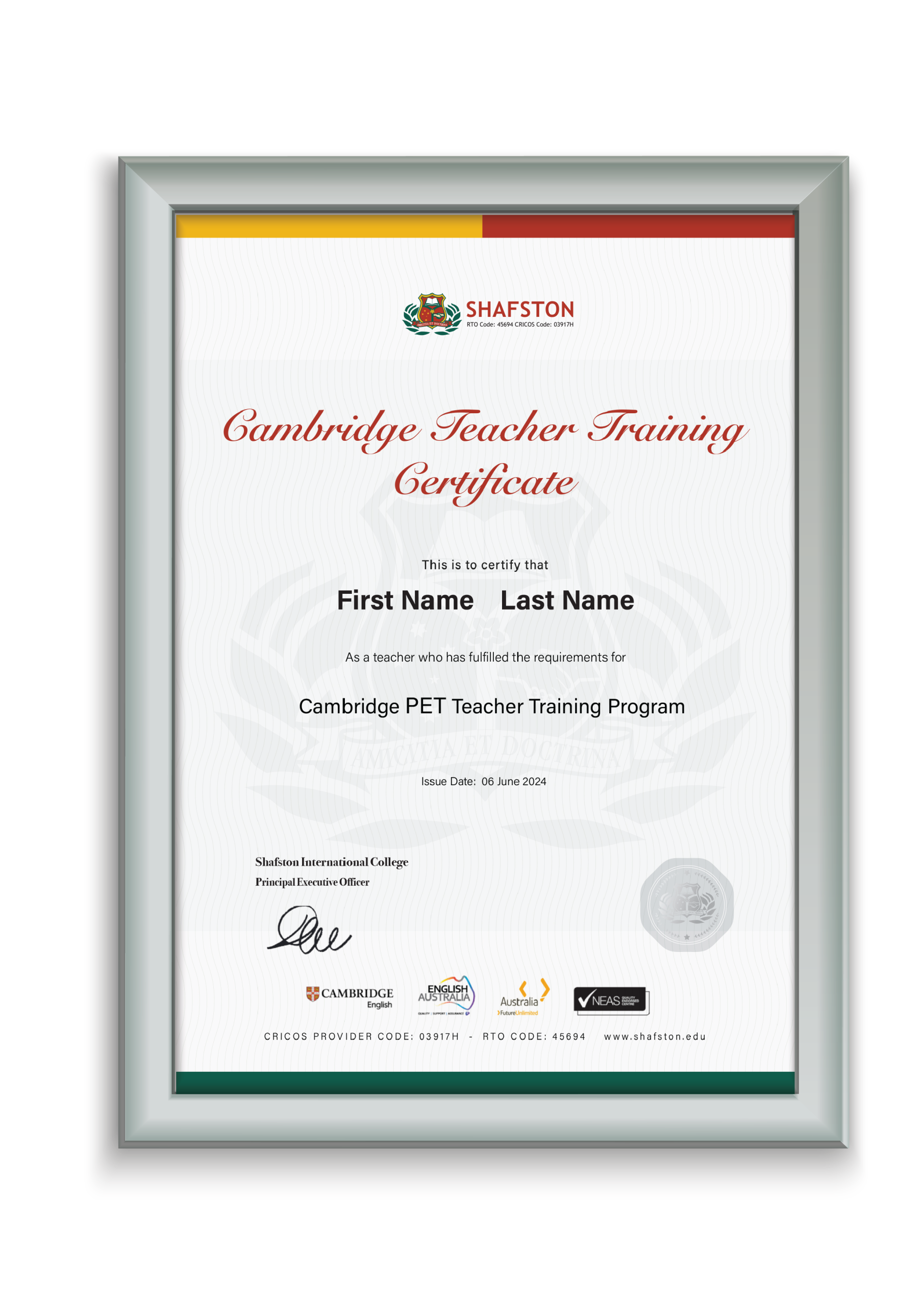
A printed certificate will be issued upon completion of the course.
Certificate Awarded
A printed certificate will be issued upon completion of the course.


