
About the Program
The Cambridge Key English Test (KET) Teacher Training Program at Shafston College is designed to equip English educators with the skills and knowledge needed to effectively teach students at the A2 level of the Common European Framework of Reference for Languages (CEFR). The program provides comprehensive training in KET exam content, teaching strategies, lesson planning, and assessment.
| Target Level | CEFR A2 (KET) |
| Mode of Delivery | Online via Microsoft Teams |
| Weekly Class Schedule | Monday to Thursday |
| Duration | 8 sessions over 2 weeks (each session is 2 hours) |
| Time | 1:00PM – 3:00PM (China Time) |
| Note | Class times are subject to change based on teacher availability. |
Cambridge KET Teacher Training Program
- The training covers how to teach reading, writing, listening, and speaking skills, with a specific focus on the KET exam.
- It emphasizes the grammar, vocabulary, and functional language required for the test.
- Practical training is provided to help teachers understand student needs and design engaging lesson plans.
- Teachers learn how to integrate exam preparation into regular classroom teaching.
- Guidance is given on how to assess student progress and provide constructive feedback.
- Simulated exam scenarios are used to help teachers better manage real exam environments.
- The training enhances teaching qualifications, enabling teachers to deliver Cambridge exam preparation more effectively.
- The certificate is recognized by many educational institutions worldwide.
Skills Development: Improve methods for teaching beginner-level English (A2 level), whether for young learners or adults.
Career Advancement: Broaden employment opportunities in institutions offering Cambridge exam courses.
Global Recognition: Cambridge exams are globally recognized standards in English teaching and assessment, and this certificate enhances teachers’ professional credibility.
About the Program
The Cambridge Key English Test (KET) Teacher Training Program at Shafston College is designed to equip English educators with the skills and knowledge needed to effectively teach students at the A2 level of the Common European Framework of Reference for Languages (CEFR). The program provides comprehensive training in KET exam content, teaching strategies, lesson planning, and assessment.
| Target Level | CEFR A2 (KET) |
| Mode of Delivery | Online via Microsoft Teams |
| Weekly Class Schedule | Monday to Thursday |
| Duration | 8 sessions over 2 weeks (each session is 2 hours) |
| Time | 1:00 PM – 3:00 PM (China Time) |
| Note | Class times are subject to change based on teacher availability. |
Cambridge KET Teacher Training Program
- The training covers how to teach reading, writing, listening, and speaking skills, with a specific focus on the KET exam.
- It emphasizes the grammar, vocabulary, and functional language required for the test.
- Practical training is provided to help teachers understand student needs and design engaging lesson plans.
- Teachers learn how to integrate exam preparation into regular classroom teaching.
- Guidance is given on how to assess student progress and provide constructive feedback.
- Simulated exam scenarios are used to help teachers better manage real exam environments.
- The training enhances teaching qualifications, enabling teachers to deliver Cambridge exam preparation more effectively.
- The certificate is recognized by many educational institutions worldwide.
Skills Development: Improve methods for teaching beginner-level English (A2 level), whether for young learners or adults.
Career Advancement: Broaden employment opportunities in institutions offering Cambridge exam courses.
Global Recognition: Cambridge exams are globally recognized standards in English teaching and assessment, and this certificate enhances teachers’ professional credibility.
About Shafston College
Shafston College (RTO: 45694, CRICOS: 03917H), established in 1996, is one of the largest private colleges in Australia. Over the past 29 years, the College has continued to grow and now operates three campuses in Brisbane, the Gold Coast, and Sydney. It has proudly educated more than 140,000 graduates from over 100 countries. Renowned for its excellence in education and innovation, Shafston has received numerous Australian and international awards. In 2024, the College was honoured as a finalist for both the Queensland Export Awards (Education category) and the Australia-Hong Kong Business Chamber Export Awards.

As a leading language school, Shafston International College has consistently been recognised by Japan’s Ryugaku Journal as the only Australian institution ranked among the world’s top ten schools. Its adult English language programs are highly regarded in international markets and officially accredited as a Cambridge Exam Centre in Queensland, providing professional exam services to students. In addition, Shafston’s High School Preparation Program has become a flagship course. The College partners with Education Queensland International (EQI) and numerous private and public schools, offering pathway programs that help international students transition smoothly into local schools.

Each year, Shafston hosts over 5,000 short-term students, making it one of Australia’s largest study tour providers. The College has established sister school relationships with hundreds of overseas primary and secondary schools and collaborates closely with universities, schools, research institutes, tourist attractions, and government agencies to deliver unique Australian cultural experiences. Supported by a comprehensive welfare management system for under-18 students and one of Australia’s largest homestay networks, Shafston offers students full support with accommodation, meals, and transport.
Shafston also delivers university foundation and pathway programs to both domestic and international students, offering career-focused courses in education, business management, health, hospitality, and information technology, helping students prepare for their future careers.

Committed to providing high-quality education tailored to the needs of both Australian and international students, Shafston College continues to grow at scale. The College boasts strong teaching capabilities, curriculum development expertise, and compliance management, ensuring sustainable growth through an extensive network of international partnerships and global student recruitment. By adopting a diversified strategy, Shafston attracts students from around the world, offering a wide range of programs to meet their individual needs.
Shafston remains dedicated to international exchange and collaboration, continually launching high-quality partnership programs. We warmly welcome overseas partners to explore more opportunities for long-term cooperation with us.
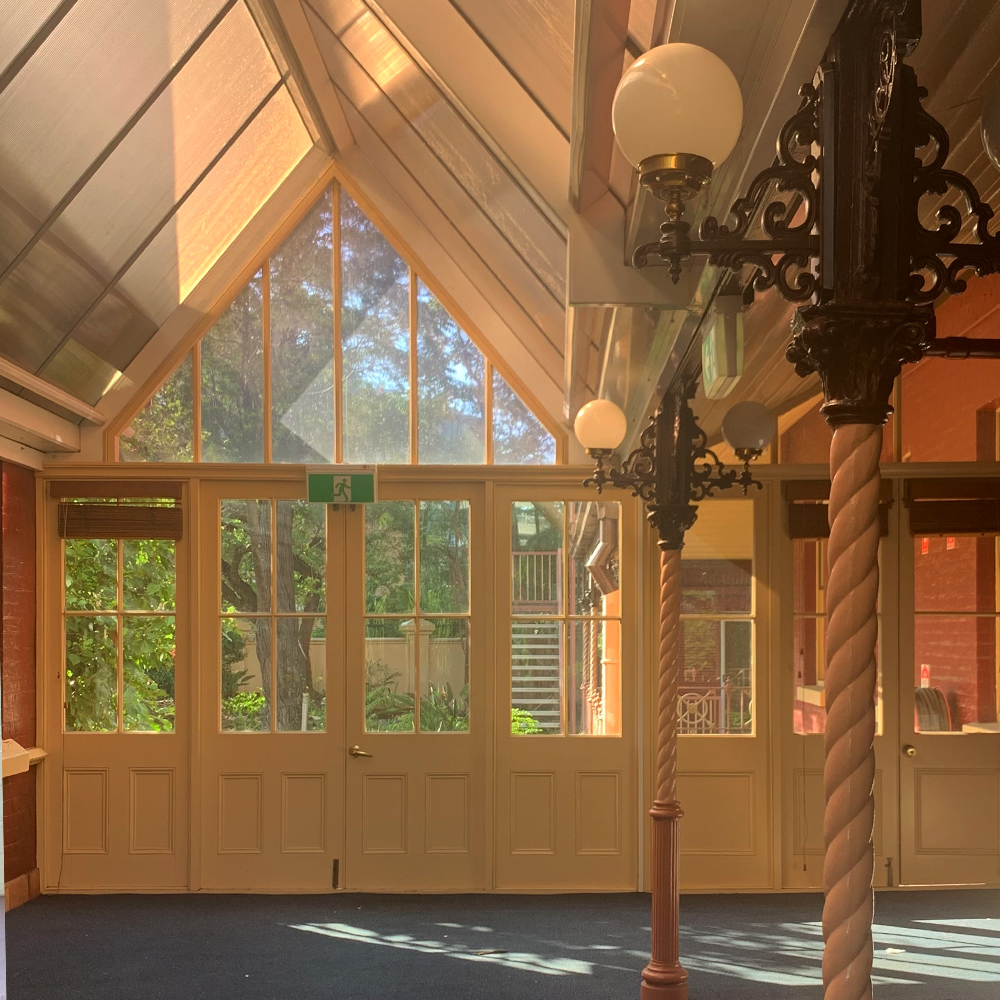
About Shafston College
Shafston College (RTO: 45694, CRICOS: 03917H), established in 1996, is one of the largest private colleges in Australia. Over the past 29 years, the College has continued to grow and now operates three campuses in Brisbane, the Gold Coast, and Sydney. It has proudly educated more than 140,000 graduates from over 100 countries. Renowned for its excellence in education and innovation, Shafston has received numerous Australian and international awards. In 2024, the College was honoured as a finalist for both the Queensland Export Awards (Education category) and the Australia-Hong Kong Business Chamber Export Awards.
As a leading language school, Shafston International College has consistently been recognised by Japan’s Ryugaku Journal as the only Australian institution ranked among the world’s top ten schools. Its adult English language programs are highly regarded in international markets and officially accredited as a Cambridge Exam Centre in Queensland, providing professional exam services to students. In addition, Shafston’s High School Preparation Program has become a flagship course. The College partners with Education Queensland International (EQI) and numerous private and public schools, offering pathway programs that help international students transition smoothly into local schools.
Each year, Shafston hosts over 5,000 short-term students, making it one of Australia’s largest study tour providers. The College has established sister school relationships with hundreds of overseas primary and secondary schools and collaborates closely with universities, schools, research institutes, tourist attractions, and government agencies to deliver unique Australian cultural experiences. Supported by a comprehensive welfare management system for under-18 students and one of Australia’s largest homestay networks, Shafston offers students full support with accommodation, meals, and transport.
Shafston also delivers university foundation and pathway programs to both domestic and international students, offering career-focused courses in education, business management, health, hospitality, and information technology, helping students prepare for their future careers.
Committed to providing high-quality education tailored to the needs of both Australian and international students, Shafston College continues to grow at scale. The College boasts strong teaching capabilities, curriculum development expertise, and compliance management, ensuring sustainable growth through an extensive network of international partnerships and global student recruitment. By adopting a diversified strategy, Shafston attracts students from around the world, offering a wide range of programs to meet their individual needs.
Shafston remains dedicated to international exchange and collaboration, continually launching high-quality partnership programs. We warmly welcome overseas partners to explore more opportunities for long-term cooperation with us.
Our Trainers

Hello! I’m Kate. I first studied Communication, Media and Culture at university, then Education at another university, before following my passion for English and becoming a language teacher.
Now, I’ve been teaching English to students of all levels for over a decade, both in Australia and overseas. I love writing, learning about other cultures, and hiking with my dog. I can speak a little Japanese, and am working hard to become more fluent.

Hi, I’m Andy. I’m originally from New South Wales, Australia, and hold a Masters in Teaching (specialising in ESL) from the University of Melbourne. I’ve been an English language teacher for almost 20 years, with my previous teaching experience including thirteen years in language centres and universities in China and four years at schools here in Australia. I enjoy helping English learners to figure out the language tools they need to communicate their ideas effectively and to gain the confidence to converse with others in English.
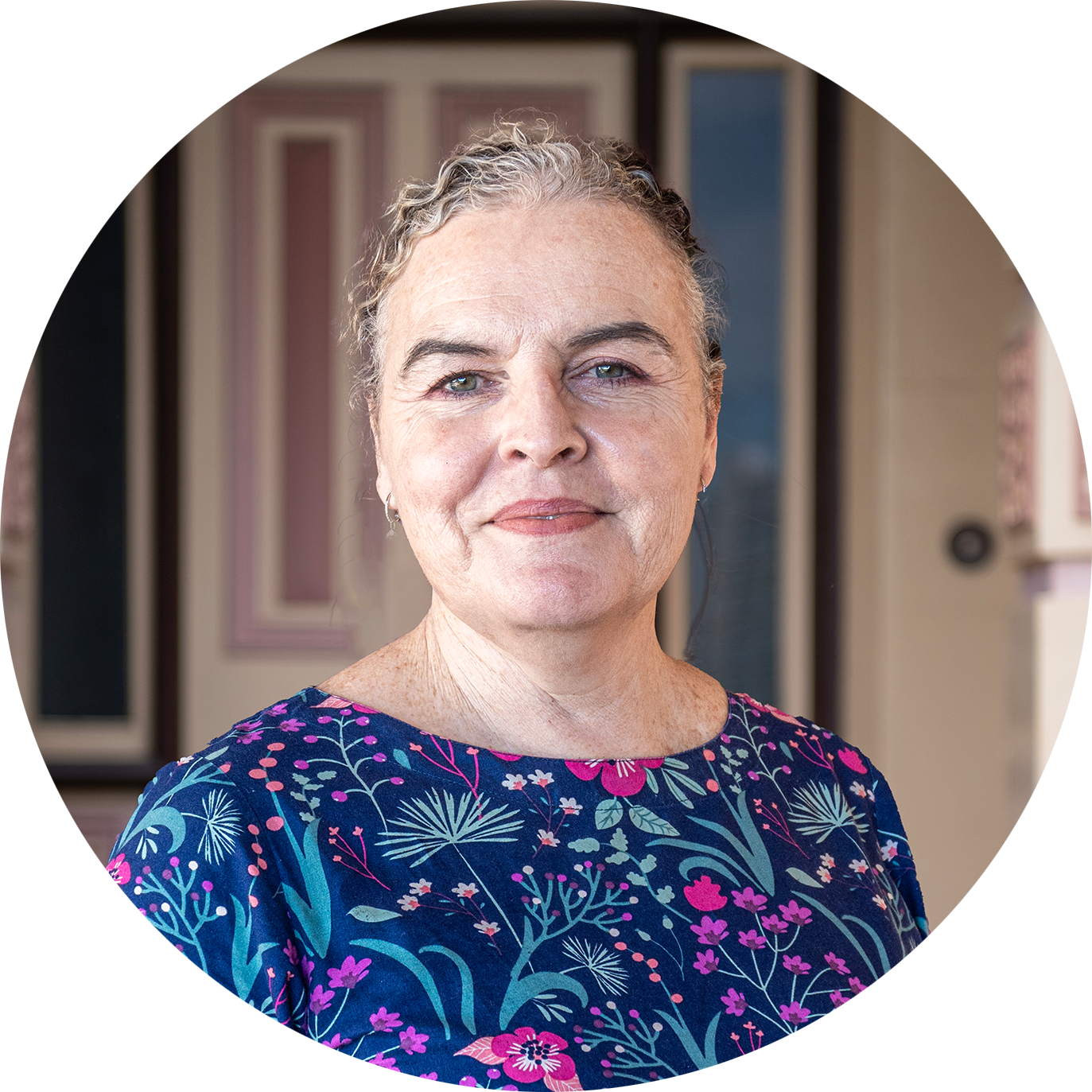
Hi ! I’m Michelle and I love languages and teaching. I hold a BA in English and Russian from the University of Queensland, and I’ve studied French at school and University, and Vietnamese at the Australian National University. ( Sadly my Vietnamese is a bit rusty!) I’ve also had the opportunity to study in Russia, which deepened my love for languages and cultures.
Currently, I’m pursuing post-graduate studies in Writing and TESOL, and I’ve been working as an ESL teacher since 2017. Teaching is truly my dream job, as I enjoy helping students learn and connect through language.

I hold a Master’s degree in Applied Linguistics (TESOL) from The University of Queensland and have extensive experience teaching English to learners ranging from primary school students to adults. My intercultural background gives me a unique perspective, enabling me to teach in both public schools and private institutions in China and Australia.
I specialise in delivering engaging and interactive General English and Academic English courses, carefully tailoring lessons to meet the needs of each learner. Whether you are a beginner or looking to advance your higher-level English skills, I am committed to supporting you every step of the way in your English learning journey!

I’m a teacher at Shafston College in Brisbane, Australia. I’m from Las Vegas, USA and moved to Brisbane 3 years ago. I have 12 years of teaching experience around the world. I especially loved teaching in Changtu County, Liaoning , China. I hope to visit China again, as I made many good friends there!

I’m an English teacher with over 10 years in the field. I have taught a wide range of courses in both online and in-person settings, including KET (Speaking), IELTS, General English, TOEIC, Business English, and High School programs. I’ve also served as a university instructor and taken on key roles such as Research Coordinator and School Paper Adviser.
Alongside my extensive teaching background, I hold a TEFL certification, and I am a licensed teacher, having passed the board examination for teachers. I’ve also completed numerous professional development trainings and earned a master’s degree to continually enhance my teaching practice.”

Hi! My name is Wesley. I’m from an island called Tasmania and I’ve been teaching English for 6 years. When I have free time, my hobbies include climbing volcanoes and tracking endangered animals such as Orangutan and Siamang in the rainforests of Southeast Asia and the Pacific.
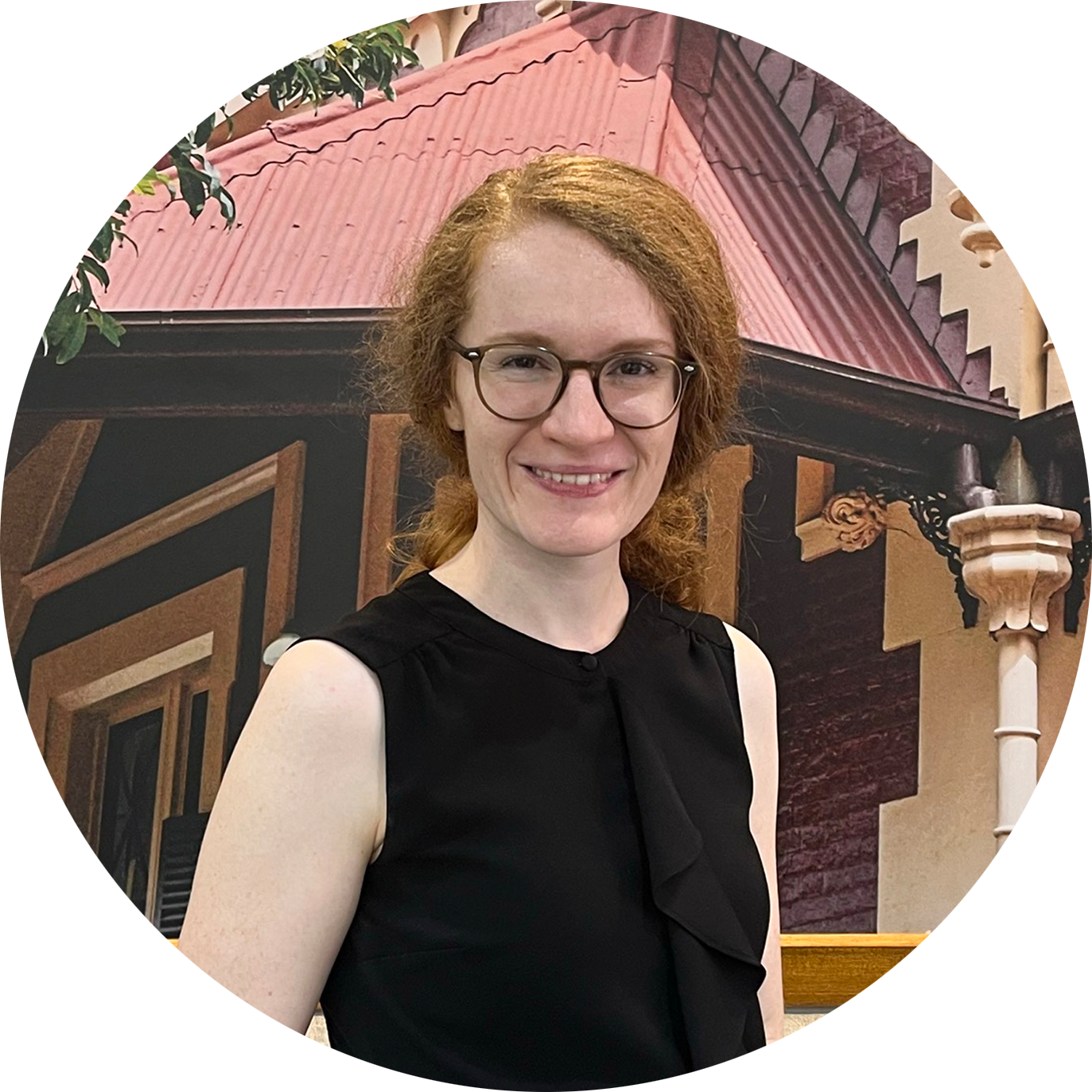
My name is Melody. I have been teaching for 7 years. I have helped primary students, high school students and adults from many countries to communicate in English and pass their tests. I really enjoy teaching pronunciation and grammar and helping people make real progress in their language skills. I love my job!
I lived in China for many years, and I have also travelled to Thailand and Japan. In August this year, I will have been happily married for 2 years. I like music, singing, swimming, tennis and audio books. When I have the opportunity, I love going to art galleries or having a coffee with a husband in a nice cafe.
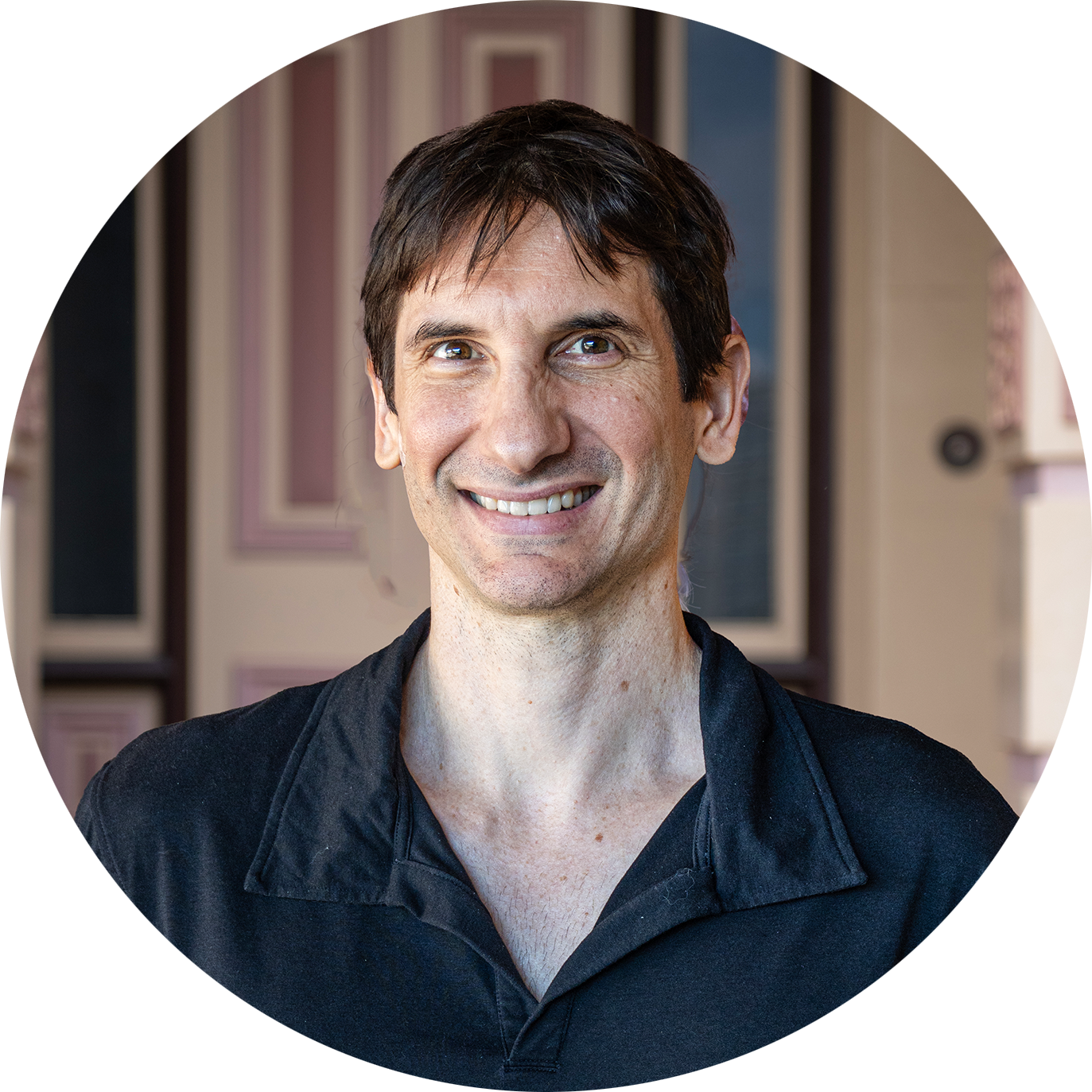
I am Joseph and it’s a pleasure to work with you. I’m a dedicated educator with 15 years of experience. I’ve taught online classes for a few years and enjoy the format. I always aim to create clear, engaging, and student-focused lessons. Professionalism, innovation, and adaptability are my core values as a teacher.
Our Trainers
Hello! I’m Kate. I first studied Communication, Media and Culture at university, then Education at another university, before following my passion for English and becoming a language teacher.
Now, I’ve been teaching English to students of all levels for over a decade, both in Australia and overseas. I love writing, learning about other cultures, and hiking with my dog. I can speak a little Japanese, and am working hard to become more fluent.
Hi, I’m Andy. I’m originally from New South Wales, Australia, and hold a Masters in Teaching (specialising in ESL) from the University of Melbourne. I’ve been an English language teacher for almost 20 years, with my previous teaching experience including thirteen years in language centres and universities in China and four years at schools here in Australia. I enjoy helping English learners to figure out the language tools they need to communicate their ideas effectively and to gain the confidence to converse with others in English.
Hi ! I’m Michelle and I love languages and teaching. I hold a BA in English and Russian from the University of Queensland, and I’ve studied French at school and University, and Vietnamese at the Australian National University. ( Sadly my Vietnamese is a bit rusty!) I’ve also had the opportunity to study in Russia, which deepened my love for languages and cultures.
Currently, I’m pursuing post-graduate studies in Writing and TESOL, and I’ve been working as an ESL teacher since 2017. Teaching is truly my dream job, as I enjoy helping students learn and connect through language.
I’m an English teacher with over 10 years in the field. I have taught a wide range of courses in both online and in-person settings, including KET (Speaking), IELTS, General English, TOEIC, Business English, and High School programs. I’ve also served as a university instructor and taken on key roles such as Research Coordinator and School Paper Adviser.
Alongside my extensive teaching background, I hold a TEFL certification, and I am a licensed teacher, having passed the board examination for teachers. I’ve also completed numerous professional development trainings and earned a master’s degree to continually enhance my teaching practice.”
My name is Melody. I have been teaching for 7 years. I have helped primary students, high school students and adults from many countries to communicate in English and pass their tests. I really enjoy teaching pronunciation and grammar and helping people make real progress in their language skills. I love my job!
I lived in China for many years, and I have also travelled to Thailand and Japan. In August this year, I will have been happily married for 2 years. I like music, singing, swimming, tennis and audio books. When I have the opportunity, I love going to art galleries or having a coffee with a husband in a nice cafe.
Hi! My name is Wesley. I’m from an island called Tasmania and I’ve been teaching English for 6 years. When I have free time, my hobbies include climbing volcanoes and tracking endangered animals such as Orangutan and Siamang in the rainforests of Southeast Asia and the Pacific.

I am Joseph and it’s a pleasure to work with you. I’m a dedicated educator with 15 years of experience. I’ve taught online classes for a few years and enjoy the format. I always aim to create clear, engaging, and student-focused lessons. Professionalism, innovation, and adaptability are my core values as a teacher.
I hold a Master’s degree in Applied Linguistics (TESOL) from The University of Queensland and have extensive experience teaching English to learners ranging from primary school students to adults. My intercultural background gives me a unique perspective, enabling me to teach in both public schools and private institutions in China and Australia.
I specialise in delivering engaging and interactive General English and Academic English courses, carefully tailoring lessons to meet the needs of each learner. Whether you are a beginner or looking to advance your higher-level English skills, I am committed to supporting you every step of the way in your English learning journey!
I’m a teacher at Shafston College in Brisbane, Australia. I’m from Las Vegas, USA and moved to Brisbane 3 years ago. I have 12 years of teaching experience around the world. I especially loved teaching in Changtu County, Liaoning , China. I hope to visit China again, as I made many good friends there!
Course Outline
Week 1:
| Lesson | Content |
|---|---|
| Lesson 1: Introduction and Overview | • Teacher introduction • Exam format overview • Expectations for the A2 Key (KET) exam • Warmers |
| Lesson 2: Listening (Parts 1 & 2) | • The structure and requirements of Listening Parts 1 and 2 • Effective teaching strategies for listening comprehension • Lesson plans for Listening Parts 1 and 2 |
| Lesson 3: Listening (Parts 3, 4 & 5) | • The structure and requirements of Listening Parts 3, 4 and 5 • Focus on understanding longer conversations and identifying speaker opinions and attitudes |
| Lesson 4: Speaking | • Speaking test format • Practice speaking tasks, including conversation and discussion prompts • Speaking assessment and problems students might encounter |
Week 2:
| Lesson | Content |
|---|---|
| Lesson 5: Reading (Skills & Parts 1 & 2) | • Overview of Reading test • Develop reading for gist and detail through comprehension activities |
| Lesson 6: Reading Test (Parts 3, 4 & 5) | • Practice exam-style reading tasks, focusing on understanding complex texts • Follow-up activities to reinforce reading |
| Lesson 7: Writing (Parts 6 & 7) | • Overview of Writing test • Understanding writing rubric • Practice evaluating writing and giving constructive feedback |
| Lesson 8: Vocabulary, Grammar, and Educational Tools | • Review key vocabulary and grammar rules essential for KET • Explore educational tools useful for KET |
Course Outline
| Week | Lesson | Content |
|---|---|---|
| 1 | Lesson 1: Introduction and Overview |
• Teacher introduction • Exam format overview • Expectations for the A2 Key (KET) exam • Warmers |
| Lesson 2: Listening (Parts 1 & 2) |
• The structure and requirements of Listening Parts 1 and 2 • Effective teaching strategies for listening comprehension • Lesson plans for Listening Parts 1 and 2 |
|
| Lesson 3: Listening (Parts 3, 4 & 5) |
• The structure and requirements of Listening Parts 3, 4 and 5 • Focus on understanding longer conversations and identifying speaker opinions and attitudes |
|
| Lesson 4: Speaking |
• Speaking test format • Practice speaking tasks, including conversation and discussion prompts • Speaking assessment and problems students might encounter |
|
| 2 | Lesson 5: Reading (Skills & Parts 1 & 2) |
• Overview of Reading test • Develop reading for gist and detail through comprehension activities |
| Lesson 6: Reading Test (Parts 3, 4 & 5) |
• Practice exam-style reading tasks, focusing on understanding complex texts • Follow-up activities to reinforce reading |
|
| Lesson 7: Writing (Parts 6 & 7) |
• Overview of Writing test • Understanding writing rubric • Practice evaluating writing and giving constructive feedback |
|
| Lesson 8: Vocabulary, Grammar, and Educational Tools |
• Review key vocabulary and grammar rules essential for KET • Explore educational tools useful for KET |
Course Schedule
Unit 1: Introduction to KET
Lesson 1:
| Session | Content |
|---|---|
| 1 | • Teachers’ Self-introductions • Participants’ self-introductions • Overview of the KET training program • Overview of exam format |
| 2 | • Understand CEFR A2 level requirements and KET exam expectations • Classroom warmers |
Unit 2: Core Skills and lesson plans
Lesson 2:
| Session | Content |
|---|---|
| 1 | • Participants’ self-introductions • Overview of listening skills • The structure and requirements of Listening Parts 1 and 2 • Effective teaching strategies for listening comprehension |
| 2 | • Lesson plans for Listening Parts 1 and 2 and their corresponding demonstrations |
Lesson 3:
| Session | Content |
|---|---|
| 1 | • Participants’ self-introductions • Filling in the answer sheet • The structure and requirements of Listening Parts 3, 4, and 5 |
| 2 | • Strategies of understanding longer conversations and identifying speaker opinions and attitudes • Lesson plans for Listening Part 3, 4, and 5 and their corresponding demonstrations |
Lesson 4:
| Session | Content |
|---|---|
| 1 |
• Participants’ self-introductions • Speaking test format • Engaging activities for teaching speaking practice • Common topic of Speaking test |
| 2 |
• Understanding Speaking assessment • Speaking assessment practice and ways to help with problems students might encounter |
Lesson 5:
| Session | Content |
|---|---|
| 1 |
• Participants’ self-introductions • Overview of Reading test • Understanding the genres and topics of reading materials |
| 2 |
• Effective reading comprehension strategies • Lesson plans for Reading Part 1 and 2 and their corresponding demonstrations |
Lesson 6:
| Session | Content |
|---|---|
| 1 |
• Participants’ self-introductions • Developing skills for reading • Follow-up activities to reinforce learning |
| 2 | • Lesson plans for Reading Part 3, 4 and 5 and their corresponding demonstrations |
Lesson 7:
| Session | Content |
|---|---|
| 1 |
• Participants’ self-introductions • Overview of Writing test • Understanding writing assessment |
| 2 | • Writing assessment practice and ways to help with problems students might encounter |
Unit 3: Vocabulary, Grammar, and Final Assessment
Lesson 8:
| Session | Content |
|---|---|
| 1 |
• Engaging activities for key vocabulary • Essential grammar rules |
| 2 |
• Useful educational tools • Final assessment |
Course Schedule
Unit 1: Introduction to KET
| Lesson | Session | Content |
|---|---|---|
| Lesson 1 | Session 1 |
• Teachers’ Self-introductions • Participants’ self-introductions • Overview of the KET training program • Overview of exam format |
| Session 2 |
• Understand CEFR A2 level requirements and KET exam expectations • Classroom warmers |
Unit 2: Core Skills and lesson plans
| Lesson | Session | Content |
|---|---|---|
| Lesson 2 | Session 1 |
• Participants’ self-introductions • Overview of listening skills • The structure and requirements of Listening Parts 1 and 2 • Effective teaching strategies for listening comprehension |
| Session 2 | • Lesson plans for Listening Parts 1 and 2 and their corresponding demonstrations | |
| Lesson 3 | Session 1 |
• Participants’ self-introductions • Filling in the answer sheet • The structure and requirements of Listening Parts 3, 4, and 5 |
| Session 2 |
• Strategies of understanding longer conversations and identifying speaker opinions and attitudes • Lesson plans for Listening Parts 3, 4, and 5 and their corresponding demonstrations |
|
| Lesson 4 | Session 1 |
• Participants’ self-introductions • Speaking test format • Engaging activities for teaching speaking practice • Common topic of Speaking test |
| Session 2 |
• Understanding Speaking assessment • Speaking assessment practice and ways to help with problems students might encounter |
|
| Lesson 5 | Session 1 |
• Participants’ self-introductions • Overview of Reading test • Understanding the genres and topics of reading materials |
| Session 2 |
• Effective reading comprehension strategies • Lesson plans for Reading Part 1 and 2 and their corresponding demonstrations |
|
| Lesson 6 | Session 1 |
• Participants’ self-introductions • Developing skills for reading • Follow-up activities to reinforce learning |
| Session 2 | • Lesson plans for Reading Part 3, 4 and 5 and their corresponding demonstrations | |
| Lesson 7 | Session 1 |
• Participants’ self-introductions • Overview of Writing test • Understanding writing assessment |
| Session 2 | • Writing assessment practice and ways to help with problems students might encounter |
Unit 3: Vocabulary, Grammar, and Final Assessment
| Lesson | Session | Content |
|---|---|---|
| Lesson 8 | Session 1 | • Engaging activities for key vocabulary • Essential grammar rules |
| Session 2 | • Useful educational tools • Final assessment |
Learning Outcomes
Through this training, participants will gain a comprehensive understanding of the Cambridge KET exam and its related content, and will be able to effectively apply this knowledge in their teaching practice. The specific outcomes include:
The ultimate goal of this training is to equip participants to become qualified instructors for KET preparation courses, enabling their students to successfully pass the Cambridge KET exam and build a solid foundation for higher-level English assessments.
Learning Outcomes
Through this training, participants will gain a comprehensive understanding of the Cambridge KET exam and its related content, and will be able to effectively apply this knowledge in their teaching practice. The specific outcomes include:
The ultimate goal of this training is to equip participants to become qualified instructors for KET preparation courses, enabling their students to successfully pass the Cambridge KET exam and build a solid foundation for higher-level English assessments.
Certificate Awarded
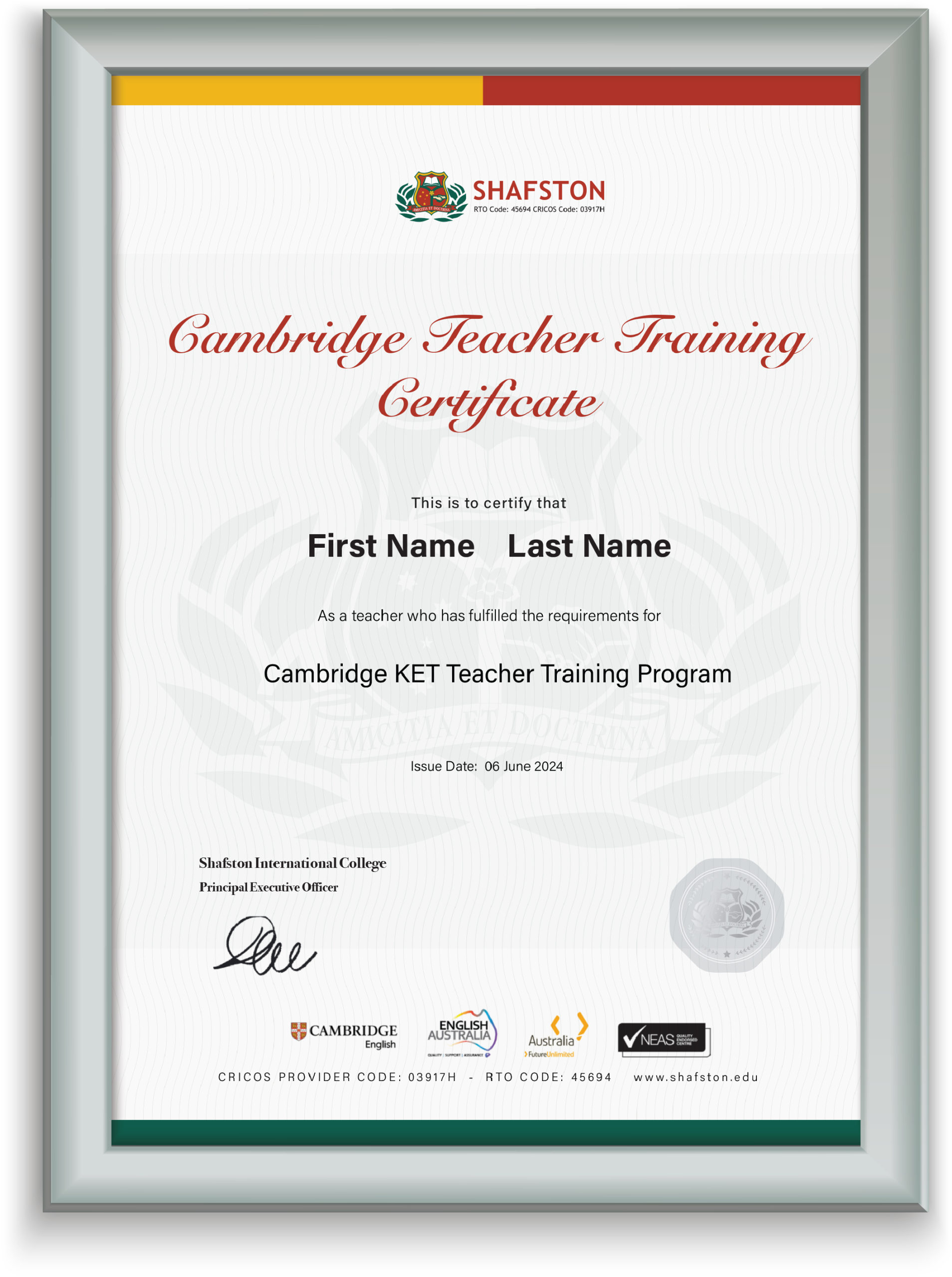
A printed certificate will be issued upon completion of the course.
Certificate Awarded
A printed certificate will be issued upon completion of the course.


